
How Building Maintenance Impacts Aged Care Accreditation Outcomes in Australia
What building compliance really means in aged care
In practical terms, building compliance in aged care is about one thing: ensuring the physical environment is consistently safe, functional, and fit for purpose, and being able to prove it.
That includes everything from HVAC and fire systems through to accessibility, infection control, and the documentation behind it all. It’s not just about whether systems work, it’s whether there is clear, verifiable evidence that they are being maintained properly.
Why Maintenance is now a Frontline Accreditation Issue
Most aged care providers invest significant effort into preparing for accreditation, care plans, governance frameworks, workforce capability. Those areas matter, of course. But increasingly, audit outcomes are being shaped by something more visible and immediate: The condition of the building itself.
Under the strengthened Aged Care Quality Standards introduced in November 2025, the physical environment is assessed as a core compliance obligation.
That shift has real consequences. When maintenance slips, it doesn’t just create operational friction. It leads to:
- Documented non-conformances
- Reduced star ratings
- Increased regulatory scrutiny
- Risk to accreditation
For providers, this changes how maintenance needs to be viewed. It’s no longer just a support function, it’s directly tied to compliance outcomes.
What the Standards Expect from the Environment
Standard 4: Environment
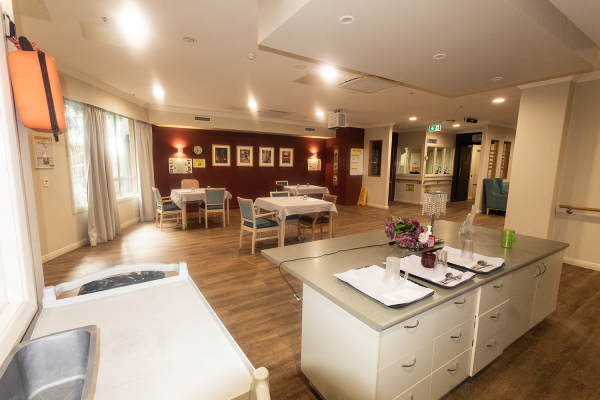
At the centre of this is Standard 4, which sets a clear expectation: the environment must be clean, safe, comfortable, and enable residents to move freely, with equipment that is properly maintained.
Importantly, this goes beyond how a facility looks. It covers:
- Buildings and infrastructure
- External areas and access points
- Safety and usability of equipment
- Infection prevention measures

Where Maintenance Intersects with Governance
Standard 2: Governance
Maintenance doesn’t sit in isolation either.
- Standard 2 requires systems to identify and resolve environmental risks
- If issues are identified but not addressed or not documented, that becomes a governance failure
In other words, maintenance performance is now something boards and executives need visibility over, not just operations teams.
The Five Areas that Most Often Lead to Audit Findings
Across audits, the same patterns tend to emerge. The issues themselves aren’t always complex, but they are highly visible and directly tied to resident experience.
HVAC and Thermal Comfort
HVAC and Thermal Comfort
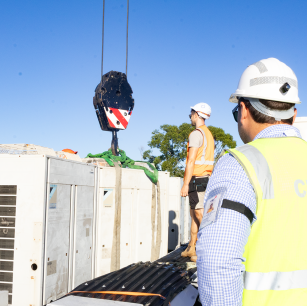
Temperature control might seem basic, but in aged care it’s critical.
Older residents are more vulnerable to extremes, and inconsistent heating or cooling quickly becomes both a comfort and compliance issue. Beyond that, poorly maintained systems can contribute to infection risk.
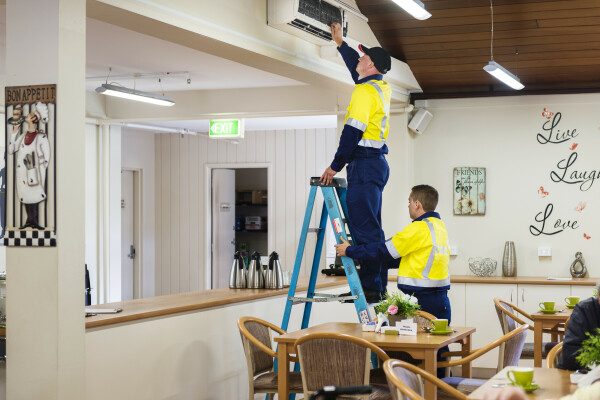
Routine servicing, filter changes, and system performance checks are not optional, they’re expected.
Fire Safety Systems
Fire Safety Systems
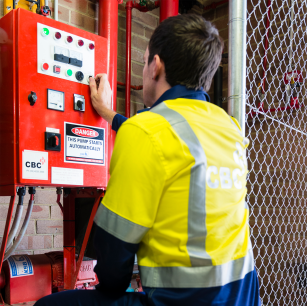
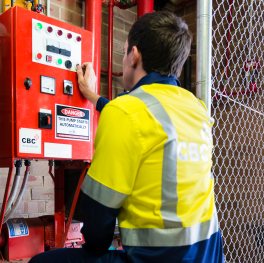
Fire safety remains one of the most scrutinised areas — and for good reason.
Assessors will immediately pick up on:
- blocked or restricted exits
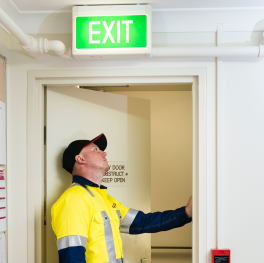
- faulty emergency lighting
- fire doors not operating correctly
- sprinkler issues
These are not minor oversights. They are direct safety risks and almost always result in findings.
Accessibility and Movement
Accessibility and Movement
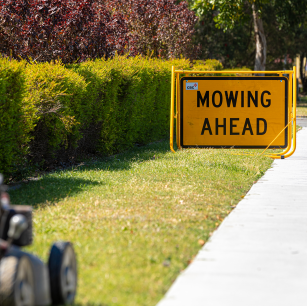
Standard 4 requires that residents can move around freely — and safely.
In practice, that means:
- lifts must be operational
- flooring must be safe and even
- call systems must work
- outdoor areas must be usable
As resident needs become more complex, these systems require constant attention, not periodic fixes.

Infection Prevention Infrastructure

Infection Prevention Infrastructure
Post-COVID, this area is under far greater scrutiny.
Assessors look closely at:
- ventilation systems
- bathroom and hygiene infrastructure
- waste management processes
- pest control
Facilities that rely on reactive maintenance tend to struggle here, because deterioration is addressed too late.
Lighting Signage and Wayfinding
Lighting Signage and Wayfinding
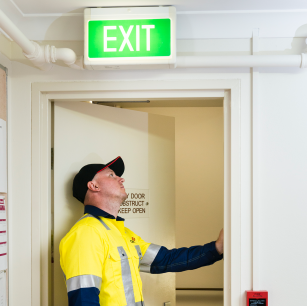
This is often underestimated.
For residents living with cognitive impairment, clear wayfinding and adequate lighting are essential. When lighting fails or signage becomes unclear, it impacts both safety and dignity — and it’s frequently raised during resident interviews.
The Documentation Gap, where many Providers Fall Short
There’s a pattern that comes up time and again: Maintenance teams are doing the work, but they can’t prove it.
From an audit perspective, that’s a problem. Assessors don’t rely on verbal confirmation. They look for evidence:
- Maintenance schedules
- Completed work orders
- Contractor records
- Service logs
- Incident tracking
If it isn’t documented, it’s treated as not done. The strengthened standards are explicit on this point, particularly around contractor management and performance oversight.
This is where maintenance shifts firmly into governance territory.
What Auditors Look At During An Assessment
Audits are structured, and maintenance issues can surface in multiple ways

Documentation Review
Assessors will examine:
- maintenance schedules and adherence
- work order histories
- contractor agreements
- risk registers

Site Walkthrough
This is not a casual inspection. It’s a focused assessment of:
- safety risks
- asset condition
- accessibility
- system compliance

Resident and Family Feedback
Residents are asked directly about their experience of the environment.
Comments like:
- “things take too long to be fixed”
- “the heating isn’t reliable”
- “areas are hard to access”
become formal audit evidence.
The Difference Between Reactive and Proactive Maintenance
At a high level, the distinction is simple, but the impact is significant.
Reactive Approach
- Issues addressed after they occur
- Inconsistent documentation
- Ad hoc contractor engagement
- Limited visibility of risk
Proactive Approach
- Asset register covering all systems
- Scheduled maintenance aligned to risk and standards
- Digital tracking through a CMMS
- Formal contractor management
- Clear reporting to leadership
- Resident feedback integrated into workflows
The providers who perform well at audit are almost always operating in this second category.
The Bigger Shift: Maintenance as a Compliance Function
What’s changed under the strengthened standards is not just the level of scrutiny, it’s the role maintenance plays.
It is no longer just about keeping the building operational.
It is about demonstrating that the environment is being systematically managed, monitored, and improved in line with regulatory expectations.
Providers who approach maintenance this way tend to:
- perform more consistently at audit
- reduce operational risk
- deliver a better day-to-day environment for residents
How CBC Group Supports Aged Care Providers
CBC Group works with Aged Care Providers across Australia to deliver integrated facilities management that aligns with both operational and compliance requirements.
That includes:
- planned preventative maintenance
- essential safety measures compliance
- HVAC, electrical, and fire system servicing
- capital works and upgrades
Just as importantly, it includes the systems behind the work—documented service delivery, performance reporting, and governance-ready records. Because in this environment, it’s not just about doing the work, it’s about being able to demonstrate it at any time.
Frequently Asked Questions
Standard 4 — Environment, supported by governance requirements under Standard 2.
Typically a combination of poor maintenance, delayed response times, and missing documentation.
Yes. Without records, maintenance is considered incomplete during audit.
It depends on regulatory standards, manufacturer guidelines, and risk level.
A reactive maintenance model combined with limited visibility and documentation.