
Integrated Facilities Management (IFM) Services
What is Integrated Facilities Management (IFM)
Integrated Facilities Management (IFM) brings maintenance, compliance and contractor coordination under one accountable service. Instead of multiple suppliers working independently, responsibility, reporting and oversight sit in one place. Helping facilities run more reliably, consistency in delivery, keeping costs predictable and supporting compliance obligations.
Many organisations operate their buildings through a mix of contractors, internal staff and separate reporting systems. It works, but only up to a point.
Over time, the same patterns usually appear:
- Work gets duplicated
- Service standards vary
- No one clearly owns the outcome
- Compliance documentation becomes difficult to track
- Maintenance costs creep upward
For a detailed explanation of the IFM delivery model, read our guide to Integrated Facilities Management.
CBC Group's Integrated Facilities Management Solutions
CBC Group provides Integrated Facilities Management to remove that complexity. We become the operational partner responsible for coordinating maintenance, managing contractors, overseeing compliance and reporting performance.
Our clients don’t have to manage multiple providers anymore they simply oversee the results.
The Operational Problem We Solve
Most buildings don't struggle because maintenance ins't happening. They struggle because it isn't connected. When facilities management is fragmented, small issues accumulate into operational risk.
Issue |
What it Leads To |
|
Multiple contractors |
Conflicting schedules and missed tasks |
|
Inconsistant reporting |
No reliable maintenance history |
|
Reactive call outs |
Unexpected spending |
|
Poor documentation |
Audit exposure |
|
No central oversight |
Compliance risk |
Integrated Facilities Management replaces that fragmentation with coordinated control and accountability.
How Our Facilities Management Service Works

1. Centralised Service Delivery
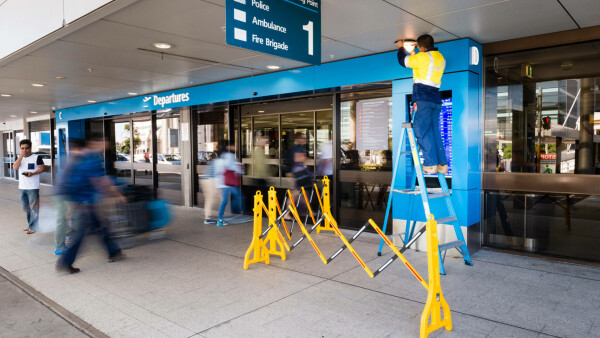
CBC Group becomes the single point of contact for building maintenance.
We coordinate:
- Preventative maintenance
- Reactive repairs
- Essential safety measures testing
- Subcontractor management
- Inspections and testing
Your team contacts one help desk — we manage the rest.
2. Planned Preventative Maintenance
We build a maintenance schedule based on:
- Asset Lifecycle expectations
- Manufacturer guidance
- Statutory inspection requirements
- Operational importance
The goal is simple: maintain assets before they fail, not after.
Planned maintenance reduces disruptions and helps equipment last longer.

3. Compliance & Audit Readiness
Facilities management is closely linked to legal responsibility.
Many organisations only discover documentation gaps during an audit — when it is already a problem.
We oversee:
- Statutory inspections
- Service records
- Contractor certifications
- Maintenance documentation
- Compliance registers
Your records are maintained continuously, not assembled after the fact.

4. Performance Reporting
We provide clear reporting that shows how your buildings are performing.
This includes:
- Work order tracking
- Response times
- Asset history
- Contractor performance
- Compliance status
Leadership teams can understand building performance without managing day-to-day operations.
5. Help Desk & Coordination
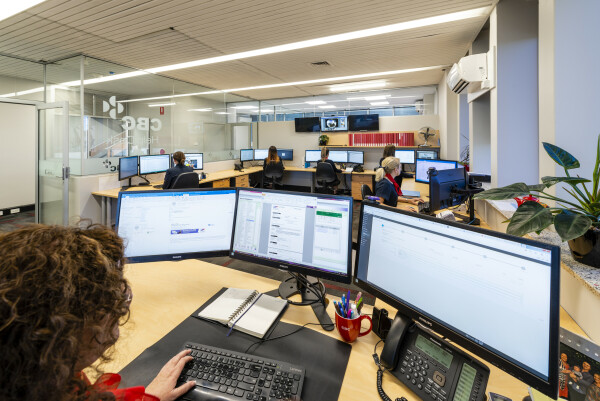
Our help desk functions as the operational control centre for your buildings.
It handles:
- Issue logging
- Dispatching contractors
- Escalation management
- Service tracking
- Communication updates
Every job is recorded, tracked and closed out consistently, which also improves future planning and asset visibility.
Capital Works and Refurbishment Coordination
Buildings evolve over time. Standards change, assets wear, layouts shift and organisations grow — which means most facilities eventually need upgrades, whether for compliance, accessibility, reconfiguration or improved amenity.
The difficulty is rarely the upgrade itself. It’s completing the work while the building is still being used.
CBC Group manages capital works and refurbishment projects as part of ongoing facilities management, planning improvements around operational requirements, maintenance activities and safety obligations. Rather than treating projects as standalone construction jobs, we integrate them into the lifecycle management of the asset.
Planned, coordinated delivery
Uncoordinated works can disrupt operations, create safety risks and lead to compliance exposure. We plan upgrades around how the building actually functions — aligning works with maintenance schedules, inspections, peak occupancy periods and access needs. This allows improvements to proceed with minimal interruption to occupants and daily activity.
Managing the operational interface
Refurbishment projects involve owners, occupants, contractors and regulatory requirements. Our role is to manage the interface between day-to-day operations and project delivery. We coordinate contractor access, staging and isolations, permits, shutdowns and stakeholder communication so works can proceed safely while the facility remains operational.
Integrated construction support
Where delivery expertise is required, we coordinate directly with our construction team to undertake construction works within operational facilities. Projects can then be staged and sequenced safely, particularly important in environments such as education, healthcare, aged care, commercial offices and public buildings where closure is not practical.
Supporting long-term performance
Capital works should improve the asset, not interrupt it. By aligning refurbishment programmes with lifecycle planning, we help organisations maintain compliance, reduce lifecycle costs and avoid premature replacement — resulting in a facility that continues to operate during works and performs better afterwards.
Preventative vs Reactive Maintenance
Reactive maintenance often appears cheaper at first — but operationally it is far more expensive.
Reactive Maintenance |
Integrated Facilities Management |
|
Emergency callouts |
Planned servicing |
|
Unexpected failures |
Scheduled maintenance |
|
Downtime disruptions |
Reliable operations |
|
Higher repair costs |
Controlled spend |
|
Shorter asset life |
Extended asset life |
Organisations that move to IFM typically gain more predictable maintenance budgets and fewer disruptions.
Benefits of Integrated Facilities Management
The Benefits of Integrated Facilities Management (IFM) is it brings all essential building services together under one coordinated delivery model. Organisations work with a single accountable partner who manages maintenance, statutory compliance, performance monitoring, and asset lifecycle planning. The result is clearer communication, reduced administrative burden, and informed, data-led decisions.
- One accountable service partner
- Greater confidence in compliance
- Less administrative workload
- Consistent service delivery
- Better visibility of building performance
- Improved long-term asset reliability

Facilities Management Case Study
In this case study, discover how CBC Group partnered with Endeavour Foundation to manage over 260 sites across Queensland, New South Wales and Victoria — delivering both reactive and preventative facility maintenance, full statutory compliance and major capital-works projects. Over six years the partnership has scaled to thousands of work orders annually, enabling Endeavour to focus on its mission while CBC ensures safe, future-ready environments.
Suitable Portfolios
Our facilities management services support:
|
Senior's Living & Aged Care |
Aviation |
|
|
Government |
Health Care Services |


|
|
Houseing |
Mining |
Retail |
Transport & Infrastrucure |


Difficulty Coordinating Multiple Contractors or Track Maintenance Reporting?
Frequently Asked Questions
A facilities management provider coordinates maintenance, compliance activities, contractors and reporting so buildings operate safely and consistently.
Yes. Legal responsibility remains with the owner, but the operational management can be handled by a facilities management provider.
Central coordination reduces duplicated work, emergency callouts and administrative effort, leading to more predictable maintenance spending.
Scheduled inspections, servicing, testing and adjustments completed before equipment failure occurs.
Usually when portfolios expand, compliance requirements increase, or internal teams spend more time coordinating contractors than managing performance.